
If your refrigerator is not cooling, start with a few simple checks before scheduling repair. Many refrigerator cooling problems are caused by blocked airflow, dirty condenser coils, frost buildup, fan problems, or incorrect temperature settings rather than complete compressor failure.
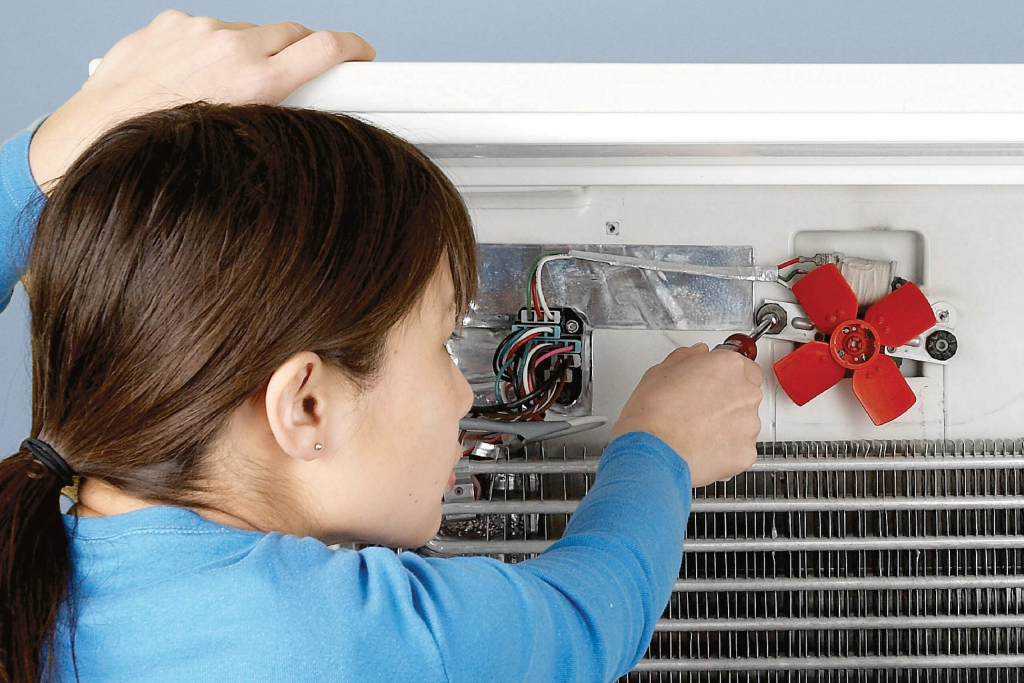
Refrigerator Not Cooling
Refrigerator Not Cooling but Freezer Works
If the freezer is cold but the refrigerator section is warm, the problem is usually related to airflow between the compartments.
Possible causes
- Blocked air vents
- Frost buildup on evaporator coils
- Evaporator fan not working
- Damper stuck closed
- Refrigerator overpacked with food
What to check
- Remove food blocking air vents
- Listen for fan noise inside the freezer
- Check the back freezer panel for frost buildup
- Make sure cold air is moving into the refrigerator section
Most refrigerators move cold air from the freezer into the fresh food compartment. If airflow becomes restricted, the refrigerator section warms up first.
Learn more about common freezer repair problems.
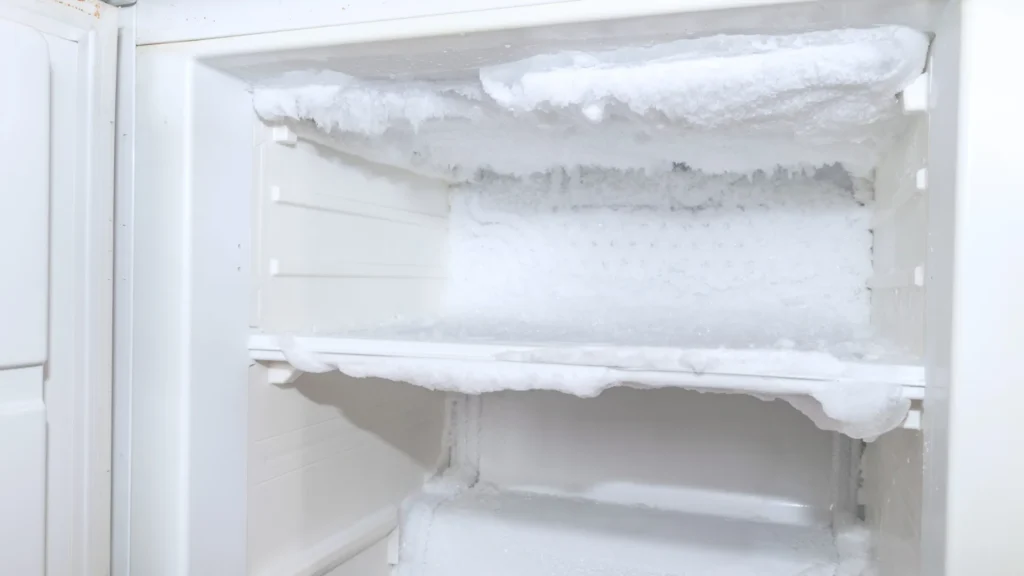
Refrigerator Running but Not Cooling
If the refrigerator seems to run continuously but temperatures keep rising, the system may not be removing heat correctly.
Possible causes
- Dirty condenser coils
- Condenser fan failure
- Poor ventilation around refrigerator
- Compressor overheating
- Sealed system problem
What to check
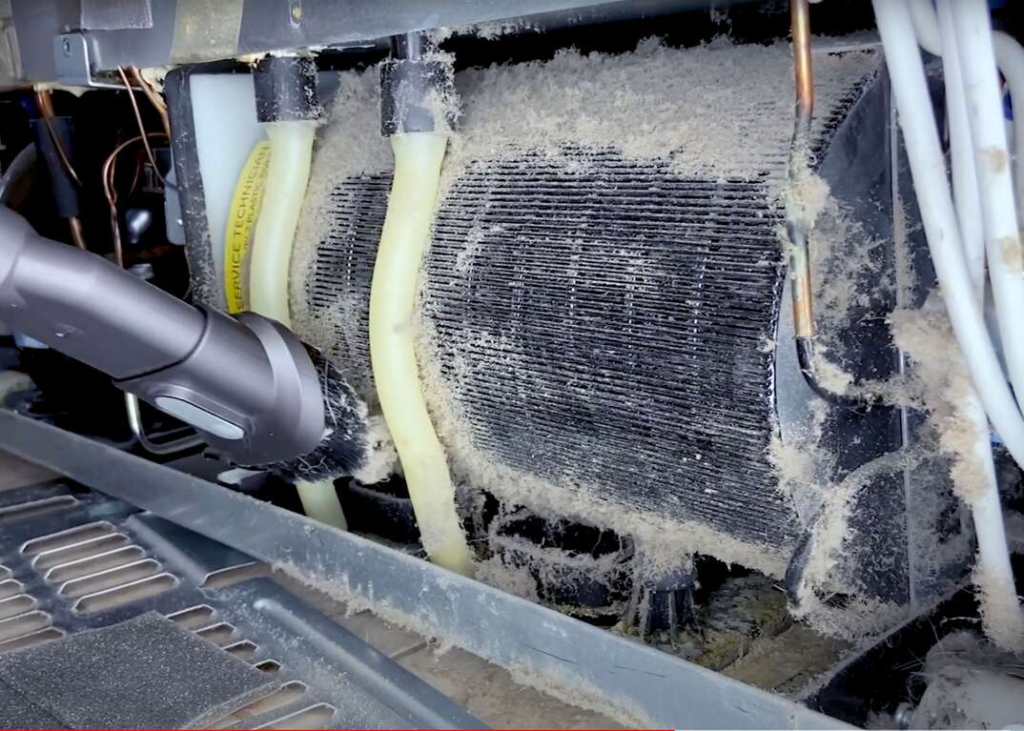
- Clean condenser coils underneath or behind the refrigerator
- Make sure the condenser fan is spinning
- Leave clearance behind the appliance for airflow
- Check for excessive dust or pet hair buildup
Dirty condenser coils are one of the most common causes of weak cooling performance.
Refrigerator Clicking but Not Cooling
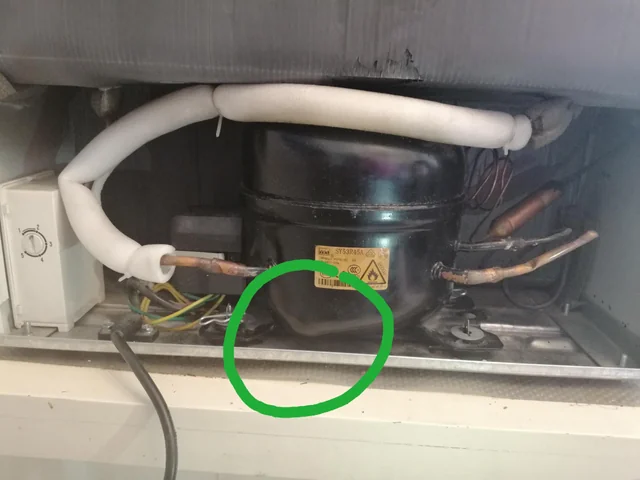
A clicking sound usually means the compressor is attempting to start but shuts off shortly afterward.
Possible causes
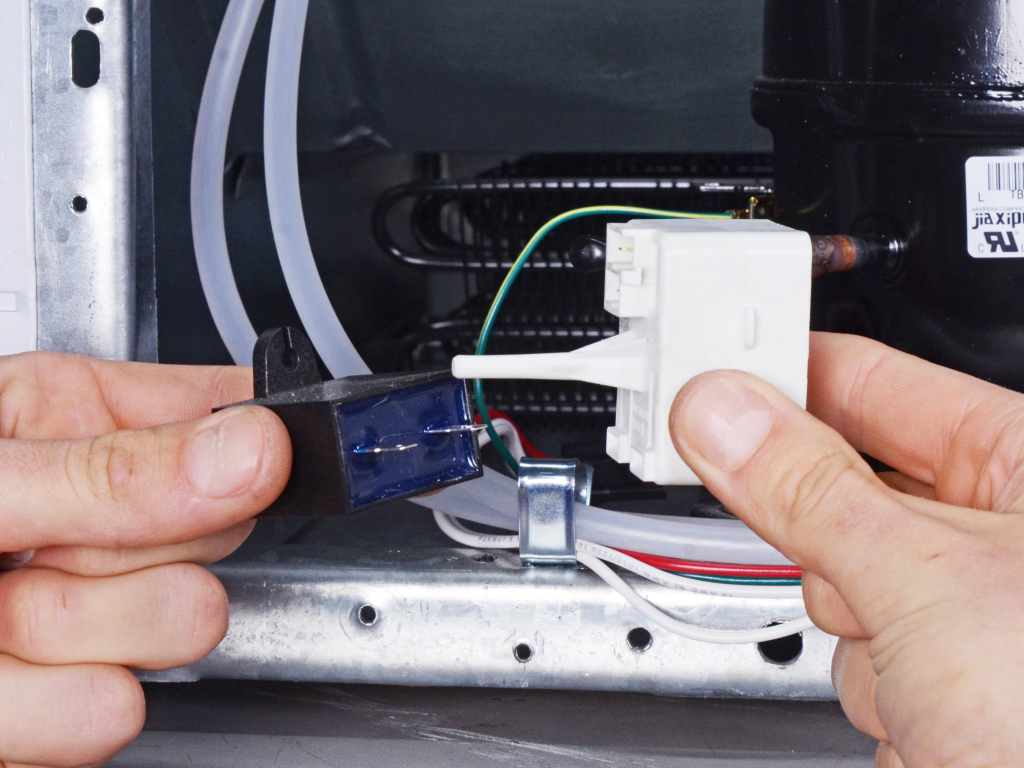
- Failed start relay
- Compressor overload problem
- Weak compressor
- Electrical supply issue
What to check
- Listen for repeated clicking every few minutes
- Check if the compressor feels extremely hot
- Inspect the relay for burn marks or rattling
A failed start relay can sometimes prevent the compressor from starting even though the lights and fans still work.
View our appliance repair services.
Refrigerator Not Cooling After Power Outage
Power outages and voltage fluctuations can sometimes interrupt refrigerator control boards.
Possible causes
- Control board lockup
- Refrigerator stuck in protection mode
- Compressor delay cycle
What to check
- Unplug the refrigerator
- Wait 5–10 minutes
- Plug it back in
- Allow several hours for temperatures to stabilize
Some refrigerators may temporarily stop cooling after unstable power conditions.
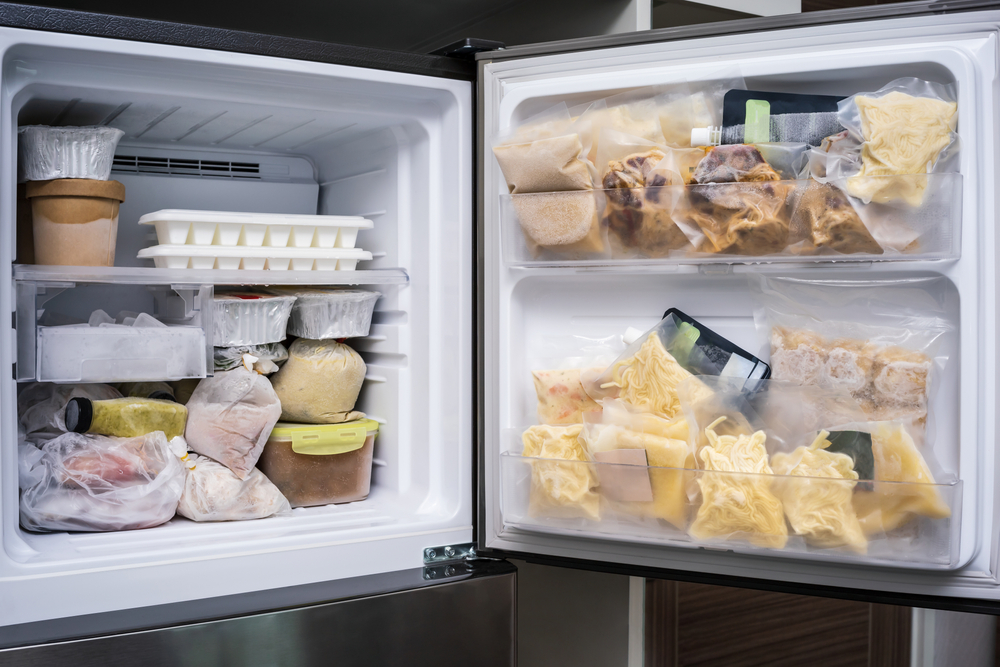
Refrigerator Fan Running but No Cold Air
If fans are operating but the refrigerator still feels warm, the cooling system itself may not be producing cold air properly.
Possible causes
- Frosted evaporator coils
- Compressor failure
- Refrigerant issue
- Defrost system problem
What to check
- Listen for compressor vibration
- Inspect freezer panel for heavy frost
- Check whether airflow feels weak from vents
- Listen for unusual buzzing or clicking noises
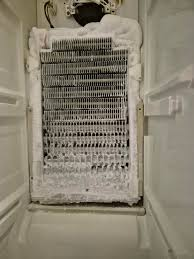
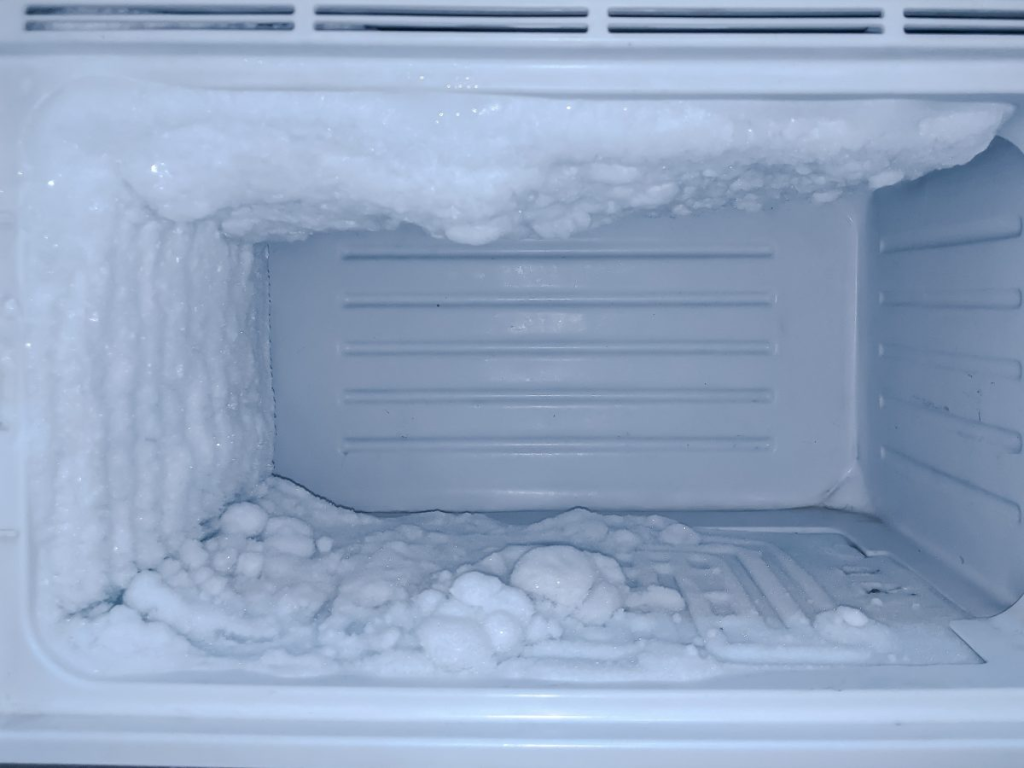
Frost Buildup Inside Freezer
Heavy frost buildup can block airflow and reduce cooling performance.
Possible causes
- Defrost heater failure
- Defrost timer problem
- Door left partially open
- Damaged door gasket
What to check
- Inspect rear freezer panel for ice accumulation
- Check door seals for gaps
- Confirm doors close fully
- Look for warm air entering the compartment
Blocked airflow from frost buildup is a common reason refrigerators become warm while freezers still appear cold.
Read more refrigerator troubleshooting guides.
Refrigerator Too Warm After Moving
Refrigerators sometimes develop temporary cooling issues after being moved or repositioned.
Possible causes
- Poor ventilation clearance
- Refrigerant oil displacement
- Loose wiring connection
- Damaged relay during transport
What to check
- Let refrigerator stand upright before plugging in
- Keep at least 1 inch of rear clearance
- Confirm condenser fan is operating
- Make sure the appliance is level
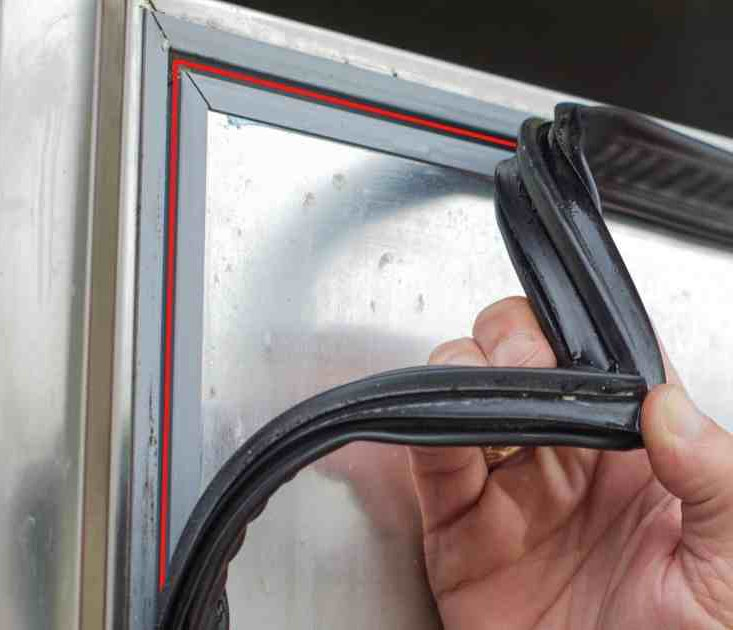
Dirty Door Gaskets
Worn or dirty door seals can allow warm air into the refrigerator.
Possible causes
- Torn gasket
- Dirty gasket surface
- Weak magnetic seal
- Door alignment issue
What to check
- Clean gasket with warm soapy water
- Inspect for cracks or gaps
- Make sure doors close completely
- Check for cold air leaking around edges
What to Check First If Your Refrigerator Is Not Cooling
- Confirm the refrigerator has power
- Check temperature settings
- Remove items blocking vents
- Clean condenser coils
- Listen for fan operation
- Check for frost buildup
- Reset power for 5–10 minutes
- Make sure doors seal properly
Many refrigerator cooling problems are related to airflow restrictions or maintenance issues rather than complete compressor failure.
Schedule professional refrigerator repair service.
When to Schedule Refrigerator Repair
You should contact a technician if:
- The compressor clicks repeatedly
- The refrigerator trips breakers
- The compressor becomes extremely hot
- Cooling does not improve after cleaning coils
- Frost buildup keeps returning
- Fans stop running
- Refrigerator temperatures continue rising
Sealed system and compressor repairs typically require specialized tools and refrigerant handling certification.
Frequently Asked Questions
Why is my refrigerator not cooling but the light is on?
The refrigerator may still have electrical power even if the cooling system has stopped working. Common causes include relay failure, airflow problems, or compressor issues.
Can dirty condenser coils cause cooling problems?
Yes. Dirty condenser coils reduce heat transfer and can make the refrigerator run longer without cooling effectively.
Why is the freezer cold but the fridge warm?
This usually happens when airflow between the freezer and refrigerator compartments becomes blocked by frost buildup, food containers, or evaporator fan problems.
Should I unplug a refrigerator that stopped cooling?
Unplugging the refrigerator for several minutes can sometimes reset electronic controls or temporarily improve airflow issues caused by frost buildup.
How long does a refrigerator take to cool after plugging it back in?
Most refrigerators need several hours to stabilize and up to 24 hours to reach full operating temperature after installation or power reset.